The Real Reason Donald Trump Got a FIFA Award
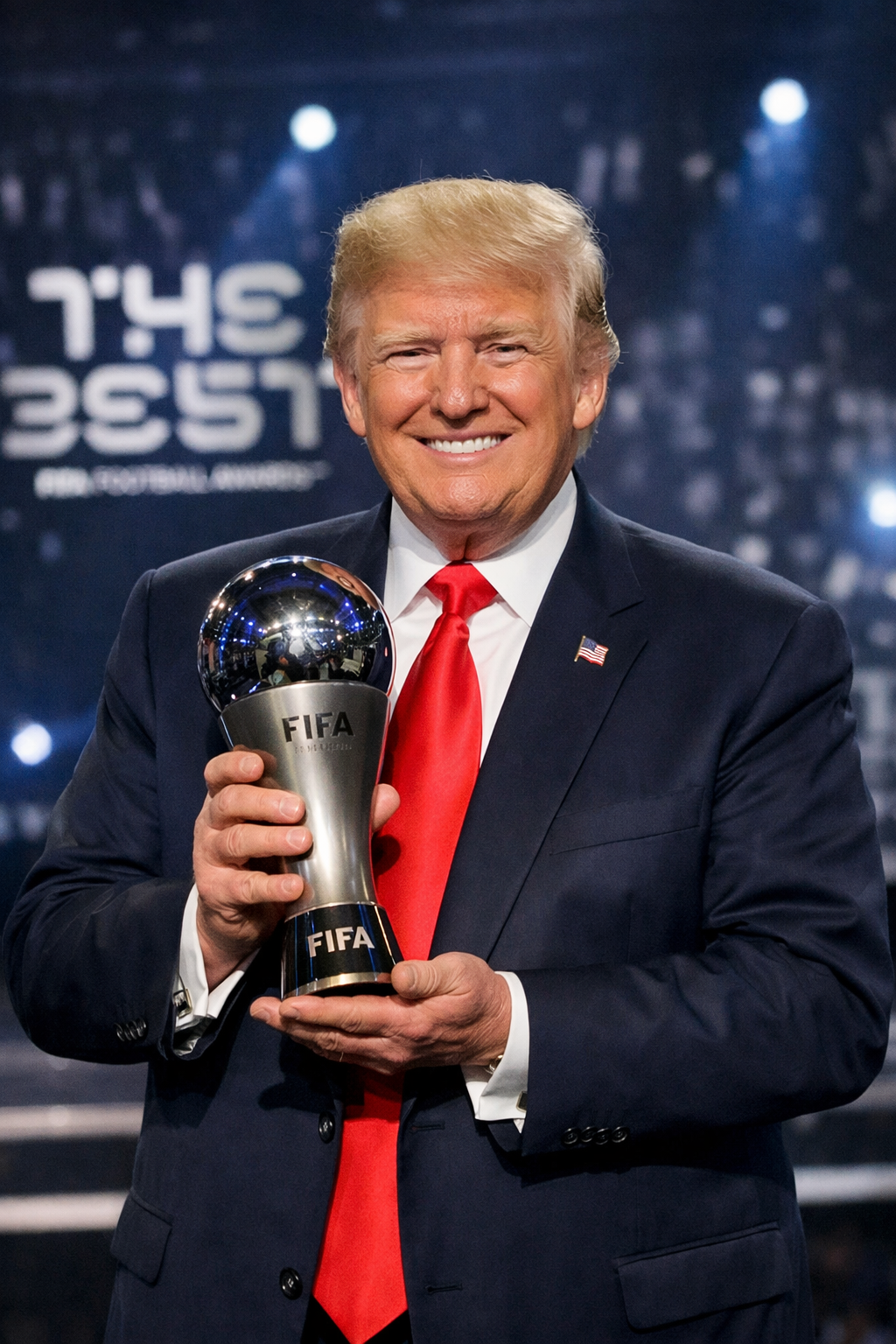
When the headlines started circulating about Donald Trump receiving a FIFA-related recognition, many people were confused. Was it a football trophy? A lifetime achievement award? A political gesture? Or something else entirely?
To uncover the real reasons, we need to separate speculation from fact and understand how global sports organizations like FIFA operate — especially when assigning rights for events as big as the 2026 FIFA World Cup.
Table of Contents
1. First, What “Award” Are We Talking About?
It’s important to clarify a key point:
Donald Trump did not receive a football performance award like:
- Golden Ball
- Golden Boot
- Coach of the Year
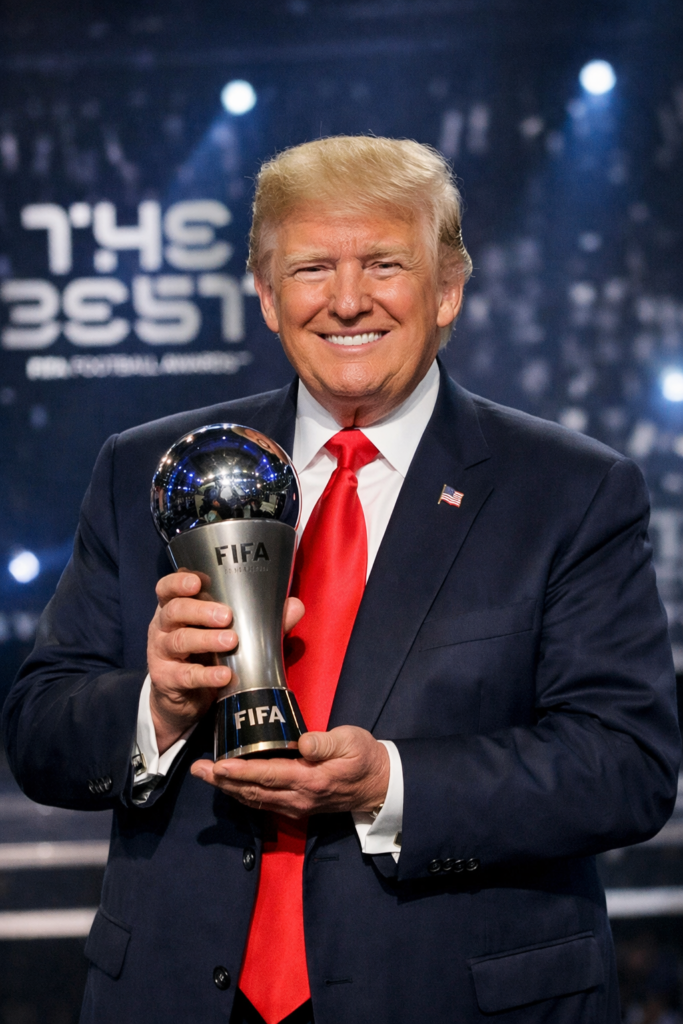
Instead, the recognition associated with him was linked to the successful North American bid to host the 2026 World Cup.
In many cases, political leaders are symbolically acknowledged when their governments provide official guarantees and diplomatic support for global sporting events.
So the “award” was not athletic — it was institutional recognition tied to hosting.
2. The 2026 World Cup Bid: A Historic Decision
In 2018, FIFA members voted to award hosting rights to a joint bid from:
- United States
- Canada
- Mexico
This was the first time in history that three nations would co-host a FIFA World Cup. It was also the first tournament to expand to 48 teams.
At the time of the vote, Trump was President of the United States. His administration actively supported the bid, emphasizing economic growth and international cooperation.
Government backing is a crucial factor in FIFA’s decision-making process.
3. Why Government Support Matters to FIFA
FIFA requires strong government involvement for several reasons:
1. Security Guarantees
World Cups attract millions of fans. Governments must ensure public safety.
2. Visa and Travel Policies
International fans and teams require flexible entry policies.
3. Infrastructure Investment
Stadiums, airports, roads, and telecommunications require public funding or oversight.
4. Financial Guarantees
Host countries must guarantee operational budgets and tax conditions.
Trump’s administration formally confirmed U.S. government backing — a key requirement for FIFA approval.
4. The Diplomatic Power of Hosting a World Cup
Hosting the World Cup is not just about sport. It is about soft power and global image.
For the United States, hosting in 2026 means:
- Reinforcing its role in global sports
- Boosting tourism and investment
- Showcasing cultural diversity
- Strengthening ties with neighboring countries
Trump’s public endorsement of the bid framed the event as a national opportunity.
Recognition from FIFA in this context typically reflects appreciation for political facilitation, not sporting excellence.
5. Supporters vs. Critics: Why It Sparked Debate
Supporters Say:
- His administration’s backing helped secure the bid.
- Economic projections suggest billions in revenue.
- North American cooperation was strengthened.
Critics Argue:
- Politics should remain separate from sport.
- Immigration rhetoric conflicted with the inclusive spirit of football.
- FIFA’s relationship with political leaders often raises transparency questions.
The controversy reflects broader debates about sports governance and political influence.
6. Is This Unusual? A Historical Perspective
This situation is not unique.
Throughout history:
- Olympic hosts often credit presidents or prime ministers for securing bids.
- Political leaders attend World Cup finals and opening ceremonies.
- Governments invest heavily to win hosting rights.
Major tournaments frequently involve political recognition — though it is rarely labeled as a “sports award.”
Trump’s FIFA recognition fits into this pattern of diplomatic acknowledgment.
7. The Economic Reality Behind the Recognition
The 2026 World Cup is projected to be the largest in history:
- 48 teams
- 100+ matches
- Massive broadcasting revenue
- Global audience in the billions
The United States will host the majority of matches, including high-profile knockout games.
For any administration, securing such an event can be framed as:
- An economic victory
- A tourism catalyst
- A global branding opportunity
From that perspective, political leaders often highlight their involvement.
8. The Real Reason — Simplified
So what is the real reason Donald Trump got a FIFA-related recognition?
Because:
- He was President during the successful 2026 bid.
- His administration provided official government guarantees.
- Political endorsement strengthened the credibility of the North American proposal.
The recognition was symbolic — tied to hosting support, not football achievement.
9. Politics and Football: An Ongoing Relationship
From Italy in 1934 to modern tournaments, football has always intersected with politics.
Global sporting events serve as:
- Platforms for national pride
- Tools of diplomacy
- Economic engines
- Symbols of international cooperation
Trump’s FIFA moment reflects this broader global tradition.
Conclusion
The real reason Donald Trump got a FIFA award was not about scoring goals or winning trophies.
It was about political support for a historic World Cup bid.
While some headlines framed it dramatically, the reality is straightforward: FIFA often acknowledges government leaders whose support is essential to hosting global tournaments.
In the end, once the 2026 World Cup kicks off, the focus will shift away from politics and back to what truly matters — the game itself.
Did Donald Trump win a competitive FIFA award?
No. He did not receive a player or coaching award. The recognition was linked to hosting support.
Why is government backing important for FIFA?
Because organizing a World Cup requires security, infrastructure, financial guarantees, and diplomatic coordination.
Is it common for political leaders to be associated with sports awards?
Yes, particularly when they support hosting bids for major events.
Was the 2026 World Cup decision controversial?
Like most global decisions, it sparked debate, but FIFA members voted officially for the North American bid.
What makes the 2026 World Cup special?
It will be the first tournament with 48 teams and the first co-hosted by three countries.