FIFA World Cup Through the Ages: Legendary Moments That Changed Football
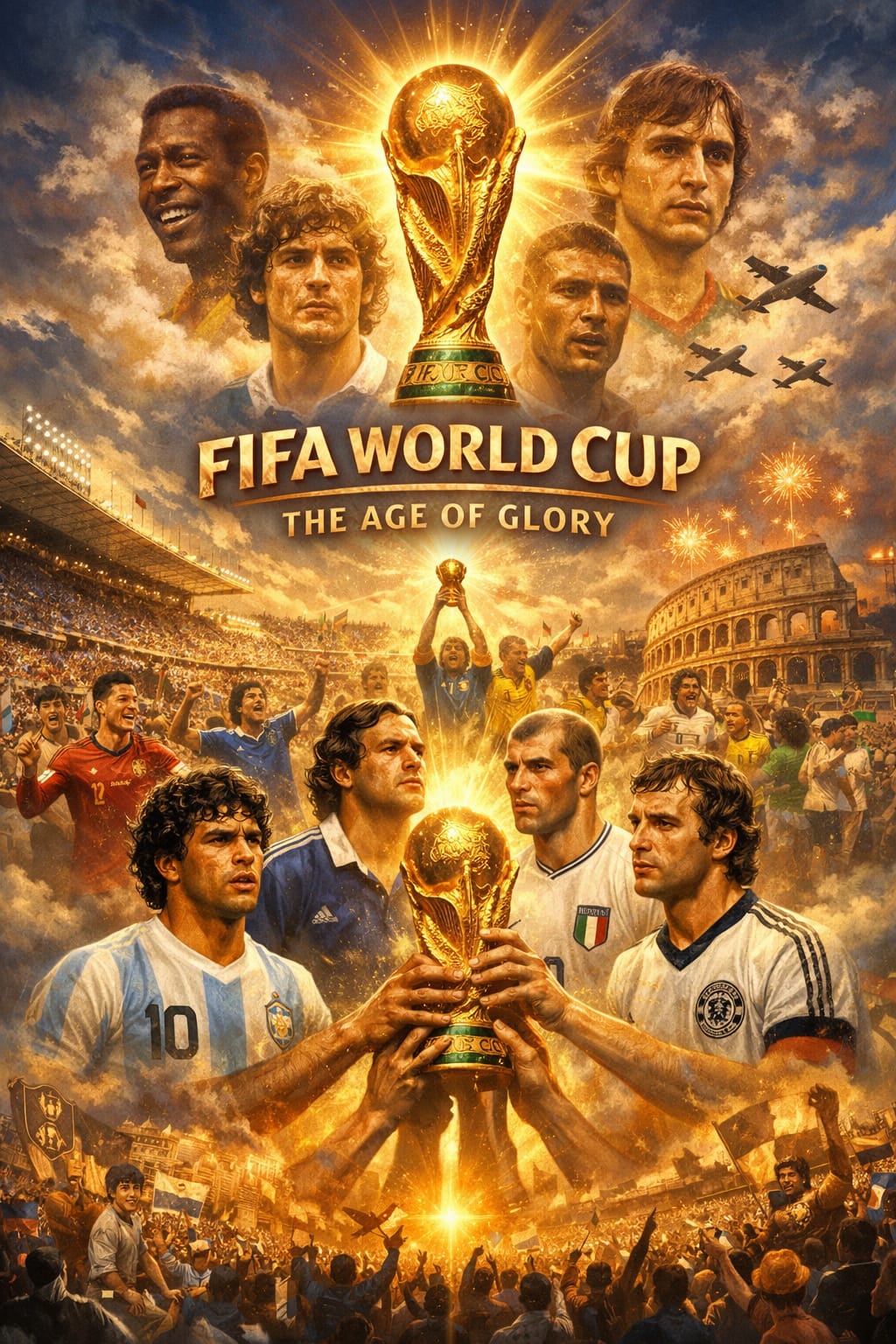
The FIFA World Cup is more than just a tournament — it’s the heartbeat of world football. Since its founding in 1930, it has produced moments of brilliance, controversy, heartbreak, and inspiration that have shaped not only the game, but global culture. Throughout generations, legendary players and unforgettable games have redefined tactics, elevated nations and made football the world’s most beloved sport.
This in-depth analysis explores the iconic moments that changed football forever.
Table of Contents
1. 1930 – The Birth of a Global Dream
The first World Cup was held in Montevideo, Uruguay. Hosted and won by Uruguay, the tournament laid the foundation for international football competition.
Why it mattered:
- It introduced structured global competition.
- It united continents through sport.
- It proved football’s power beyond Europe.
This tournament transformed football from regional rivalries into a worldwide spectacle.
2. 1950 – The “Maracanazo” Shock
One of football’s greatest upsets occurred in the final round of the 1950 World Cup in Rio de Janeiro at the iconic Maracanã Stadium.
Uruguay defeated Brazil 2–1 in front of nearly 200,000 fans.
Impact on football:
- Proved underdogs can triumph on the biggest stage.
- Cemented football’s emotional intensity.
- Shaped Brazil’s future football philosophy.
This defeat deeply influenced Brazil’s tactical evolution, eventually contributing to their attacking identity in later decades.
3. 1958 – Pelé Announces Himself
At just 17 years old, Pelé stunned the world in Sweden. His hat-trick in the semifinal and two goals in the final helped Brazil win their first World Cup.
Why it changed football:
- Introduced flair and creativity to the global stage.
- Popularized attacking football.
- Created the blueprint for the modern superstar athlete.
Pelé turned footballers into global icons.
4. 1966 – England’s Historic Triumph
The 1966 World Cup at Wembley Stadium saw England lift their only World Cup trophy.
The controversial “Wembley Goal” in the final against West Germany remains debated.
Its significance:
- Boosted football’s popularity in England.
- Sparked global discussions about refereeing and goal-line decisions.
- Influenced future technological innovations in the sport.
5. 1970 – The Beautiful Game Perfected
The 1970 Brazil team is often considered the greatest ever. Led again by Pelé, Brazil defeated Italy 4–1 in the final.
This tournament:
- Was the first broadcast in color worldwide.
- Showcased tactical fluidity and technical brilliance.
- Elevated football’s aesthetic appeal.
It defined what fans call “The Beautiful Game.”
6. 1986 – Maradona’s Magic and Madness
In Mexico, Diego Maradona delivered two of the most famous goals ever against England:
- The “Hand of God”
- The “Goal of the Century”
Argentina went on to win the trophy.
Why it mattered:
- Highlighted individual brilliance.
- Sparked debates on sportsmanship.
- Reinforced football’s dramatic unpredictability.
Maradona’s performance remains one of the greatest individual campaigns in World Cup history.
7. 1998 – Football Goes Truly Global
The 1998 World Cup in France expanded to 32 teams. The host nation won, led by Zinedine Zidane.
Impact:
- Reflected football’s growing globalization.
- Showcased multicultural team success.
- Inspired a new generation across continents.
This edition symbolized diversity and unity in modern football.
8. 2010 – Africa’s Historic Stage
The World Cup arrived in South Africa — the first time on African soil.
Spain, led by their tiki-taka philosophy, won their first title.
Why it was historic:
- Expanded football’s global reach.
- Highlighted Africa’s footballing passion.
- Demonstrated tactical dominance through possession-based play.
It proved the World Cup belongs to every continent.
9. 2014 – Germany’s Tactical Revolution
Germany’s 7–1 demolition of Brazil in Belo Horizonte shocked the world. Germany later defeated Argentina in the final.
This moment:
- Showed the power of structured youth development.
- Emphasized analytics and tactical planning.
- Marked a shift toward high-pressing systems.
Modern football became more data-driven and strategically intense.
10. 2022 – Messi Completes the Dream
In Qatar, Lionel Messi led Argentina to victory in one of the greatest finals ever against France.
This victory:
- Ended the GOAT debate for many fans.
- Cemented Messi’s legacy.
- Delivered one of the most dramatic finals in history.
The 2022 World Cup blended legacy, emotion, and modern athleticism into a perfect climax.
Tactical Evolution Across the Ages
The World Cup has mirrored football’s tactical journey:
- 1930s–50s: Physical and direct play
- 1970s: Fluid attacking systems
- 1990s: Defensive organization and structure
- 2010s–present: High pressing, possession dominance, and data analytics
Each era reshaped how football is played at every level.
How the World Cup Changed Global Culture
The World Cup has:
- United nations beyond politics
- Created global superstars
- Inspired grassroots football
- Influenced fashion, media, and technology
From black-and-white broadcasts to 4K streaming, from leather balls to smart match balls — the tournament reflects technological and cultural evolution.
Conclusion
From Uruguay’s triumph in 1930 to Messi’s magical night in 2022, the FIFA World Cup has continuously redefined football. It is a stage where legends are born, history is rewritten, and moments become immortal.
Every tournament adds a new chapter to the story of the beautiful game — and the next legendary moment is always just four years away.
Why is the FIFA World Cup so important in football history?
Because it is the highest level of international competition, bringing together the best players and nations every four years.
Which World Cup moment is considered the most iconic?
Many consider Maradona’s “Goal of the Century” in 1986 and Messi’s 2022 triumph among the greatest moments.
Who is the greatest World Cup player of all time?
Names like Pelé, Maradona, and Messi dominate the discussion, each defining different eras.
How has the World Cup influenced tactics?
It has accelerated tactical innovation, from Brazil’s attacking flair to Spain’s possession-based dominance.
Why do World Cup moments have such emotional impact?
Because they represent national pride, global attention, and once-in-a-lifetime opportunities.